
Cognitive Stimulation Therapy Dementia Care at Home in London
Cognitive Stimulation Therapy is a structured, evidence-based programme designed to help people with mild to moderate dementia maintain thinking skills, memory and confidence through enjoyable group or one-to-one activities. It is one of the few non-drug interventions recommended by NICE for dementia care.
At Tidal Living, CST sessions are supervised by our director Sabbir Ahmed, a UKCP-registered psychotherapist and trained CST practitioner. Unlike most home care agencies that offer CST as an add-on, our sessions are built into personalised care plans and delivered in the comfort of your loved one’s home.
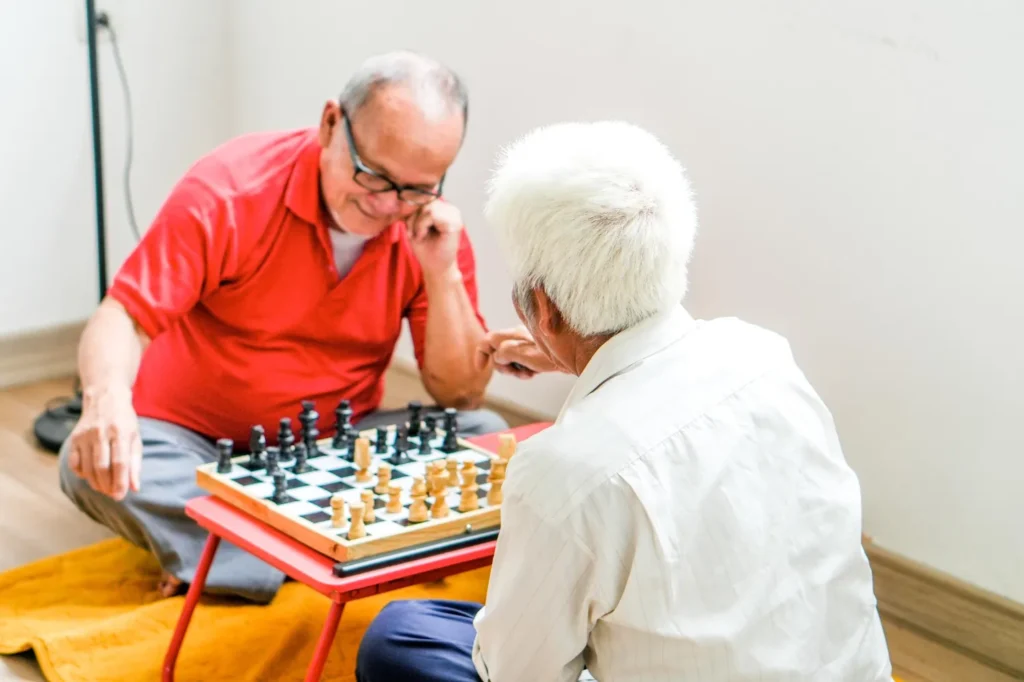
Cognitive Stimulation Therapy is a structured, evidence-based programme designed to help people with mild to moderate dementia maintain thinking skills, memory and confidence through enjoyable group or one-to-one activities. It is one of the few non-drug interventions recommended by NICE for dementia care.
At Tidal Living, CST sessions are supervised by our director Sabbir Ahmed, a UKCP-registered psychotherapist and trained CST practitioner. Unlike most home care agencies that offer CST as an add-on, our sessions are built into personalised care plans and delivered in the comfort of your loved one’s home.




What Is Cognitive Stimulation Therapy?
CST was developed by researchers at University College London and has been used in NHS settings since the mid-2000s. It involves themed sessions — typically twice a week over seven weeks — that gently encourage conversation, recall and creative thinking without any pressure to perform.
Each session lasts around 45 minutes and follows a familiar structure so participants feel safe and settled. Activities are chosen to be enjoyable rather than test-like, and there are no wrong answers.
What Happens in a CST Session
Sessions follow a consistent pattern: a warm-up activity, a themed discussion or task, and a closing reflection. Themes might include current affairs, childhood memories, word games, music, famous faces, food, or creative activities like drawing and storytelling.
The carer guides the session at your loved one’s pace, adapting the level of complexity to how they’re feeling on the day. If your parent is having a quieter morning, the session adjusts — the goal is engagement and enjoyment, not achievement.
At Tidal Living, sessions take place at home rather than in a clinical setting, which means your loved one stays in surroundings they know and trust. For many people with dementia, familiar environments reduce anxiety and improve participation.

How CST Can Help
Families often notice real changes during and after a CST programme. Common improvements include:
- Better engagement in everyday conversation
- Clearer thinking and recall for a period
- Improved confidence, mood and quality of life
- Thinking skills feeling “sharper” for a time
Results do vary from person to person, and CST does not cure or reverse dementia. But for many families, seeing their loved one more present and more like themselves, even temporarily, is profoundly meaningful.
Can CST Slow Cognitive Decline?
CST does not stop dementia progressing. However, studies have shown that regular CST can slow the rate of cognitive decline for a period in people with mild to moderate dementia, particularly when sessions are maintained over time through what’s called “maintenance CST.”
The evidence is strongest for Alzheimer’s disease and mixed dementia. For other types, such as vascular dementia, Lewy body dementia or frontotemporal dementia, research is still emerging, but the principles of meaningful stimulation and social engagement apply broadly.
How We Deliver CST at Tidal Living
Our approach differs from most agencies in three ways. First, every session is supervised by Sabbir Ahmed (UKCP), who designs session plans based on your loved one’s diagnosis, personality and interests. Second, our carers receive ongoing training in CST delivery through regular clinical supervision and reflective practice groups. Third, we track engagement and wellbeing patterns over time, so we can adjust the programme as your loved one’s needs change.
CST can be delivered as a standalone programme or as part of a broader dementia care package, whether that’s respite visits, live-in care or 24-hour support.
Who is CST Suitable For?
CST works best for people in the early to moderate stages of dementia who can follow simple conversation and enjoy social interaction. It’s particularly effective when started soon after diagnosis, while communication and engagement are still relatively preserved.
For people with more advanced dementia, we adapt our approach — using sensory activities, music and life-story work rather than traditional CST formats. Our specialist dementia support team can advise on what’s most appropriate for your loved one’s stage.
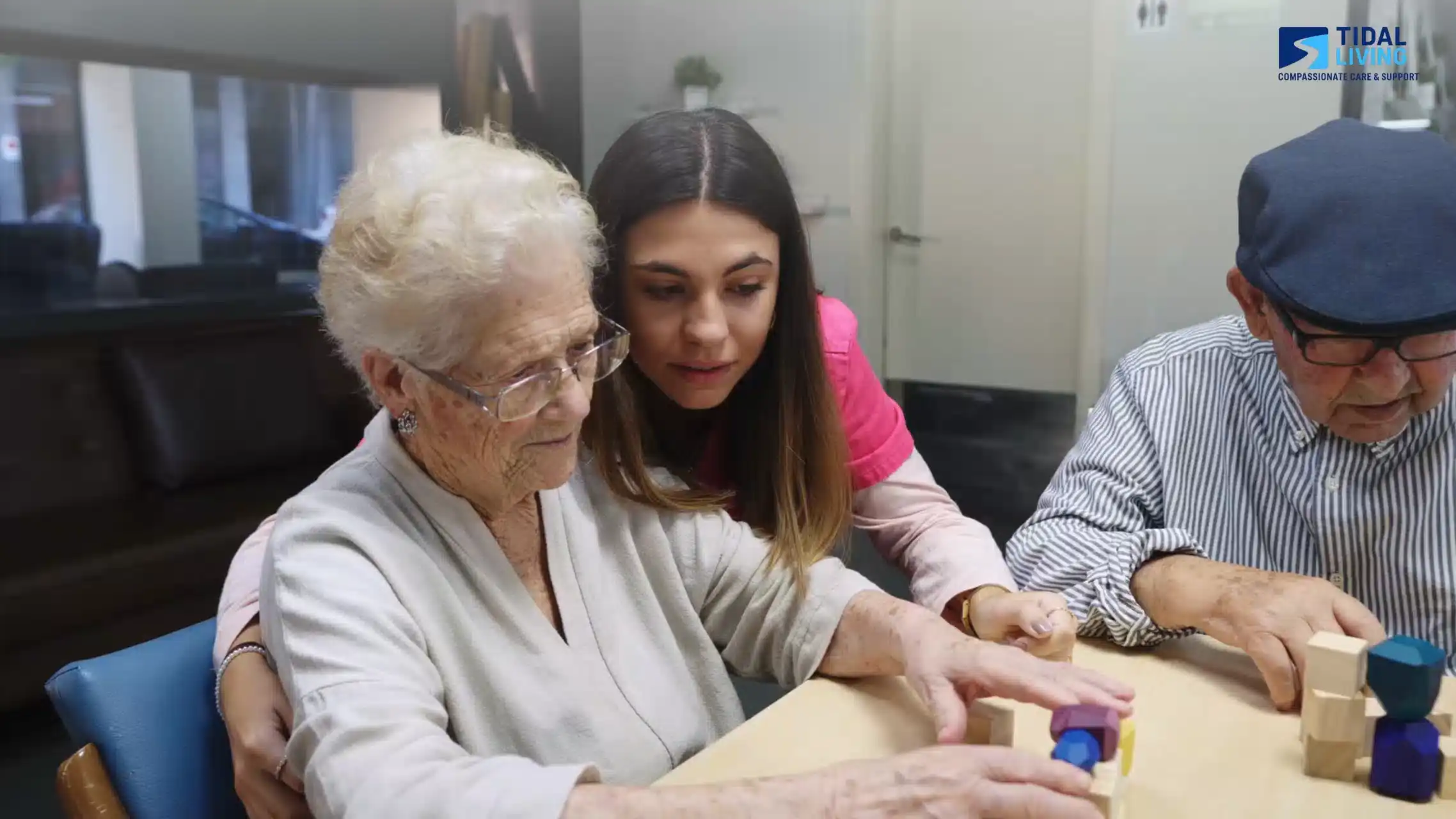
How to Start CST For Your Loved Ones
Getting started is simple. Our process for beginning CST mirrors the same three steps used across all our dementia care services:
Get in Touch
Call us on 0203 576 1970 or fill in the form below. We’ll listen to your situation and explain how CST might help.
Free Home Care Assessment
We’ll assess whether CST is appropriate and design a personalised programme. The assessment is free and carries no obligation.
Sessions Begin At Home
We match a trained carer to your loved one based on personality and interests, and CST sessions start in the comfort of their own home, often within a few days of the assessment.
Talk to Our CST Therapy Team
Our friendly care advisors are here to answer your questions and help you explore whether cognitive stimulation therapy is right for your family. No obligation, just honest advice.
Let Us Help You Care for Your Loved Ones!
Get professional and personalized home care tailored to your family’s unique needs.

Sabbir Ahmed
UKCP Registered Psychotherapist
Founder & Director of Care

Umar Alvi
MPharm, MSc Data Science
Director of Technology & Innovation
Frequently Asked Questions
Find answers to common questions about cognitive stimulation therapy. If you need more information, our team is always happy to help.
CST is recommended by NICE and some NHS memory services offer group programmes. However, waiting lists can be long and sessions are typically held in clinical settings. At Tidal Living, we deliver CST one-to-one at home, starting within days of your assessment.
A standard CST programme runs twice a week for seven weeks (14 sessions). After that, maintenance sessions can continue once or twice a week for as long as they remain beneficial.
Yes. Most of our clients receive CST alongside regular home care visits. Your carer can deliver a CST session as part of a longer visit that also includes personal care, medication support and companionship.
Our carers are trained to introduce activities gradually and without pressure. Many people who are initially reluctant find they enjoy sessions once they begin — especially when activities connect to their personal interests and memories.
CST is included within our standard care visit rates. There is no separate charge for the programme. Book a free assessment and we’ll explain how CST fits into your loved one’s care plan.
Compassionate Trusted Home Care in London (24/7)
Whether it’s a few hours of help each week or round-the-clock care, our team focuses on what matters most: dignity, independence and genuine human connection.